Wednesday, April 15, 2026
BacklinkSense
  • Anchor Text
    • Anchor Text Context
    • Anchor Text Distribution
    • Anchor Text Strategy
    • Types of Anchor Text
  • Backlink Quality and Analysis
    • Authority and Trust Signals
    • Backlink Analysis Tools
    • Link Context
    • Link Placement
    • Link Quality Signals
    • Link Relevance
  • Link Building Basics
    • How Google Ranks Links
    • Types of Backlinks
    • What Are Backlinks
    • Why Backlinks Matter
  • Link Building Methods
    • Asset-Based Link Building
    • Content-Based Link Building
    • Digital PR and Authority Mentions
    • Passive Link Acquisition
    • Resource and Reference Links
  • Link Building Risks
    • Link Penalties
    • Link Velocity
    • Low-Quality Backlinks
    • Over-Optimized Anchor Text
    • Unnatural Link Patterns
  • Link Outreach
    • Finding Outreach Targets
    • Follow Up in Outreach
    • Outreach Email Strategies
    • Outreach Personalization
    • Relationship Based Outreach
No Result
View All Result
  • Anchor Text
    • Anchor Text Context
    • Anchor Text Distribution
    • Anchor Text Strategy
    • Types of Anchor Text
  • Backlink Quality and Analysis
    • Authority and Trust Signals
    • Backlink Analysis Tools
    • Link Context
    • Link Placement
    • Link Quality Signals
    • Link Relevance
  • Link Building Basics
    • How Google Ranks Links
    • Types of Backlinks
    • What Are Backlinks
    • Why Backlinks Matter
  • Link Building Methods
    • Asset-Based Link Building
    • Content-Based Link Building
    • Digital PR and Authority Mentions
    • Passive Link Acquisition
    • Resource and Reference Links
  • Link Building Risks
    • Link Penalties
    • Link Velocity
    • Low-Quality Backlinks
    • Over-Optimized Anchor Text
    • Unnatural Link Patterns
  • Link Outreach
    • Finding Outreach Targets
    • Follow Up in Outreach
    • Outreach Email Strategies
    • Outreach Personalization
    • Relationship Based Outreach
No Result
View All Result
BacklinkSense
No Result
View All Result
ADVERTISEMENT

What Types of Linkable Assets Attract the Most Backlinks?

Backlink Sense by Backlink Sense
April 10, 2026
in Asset-Based Link Building
Reading Time: 3 mins read
0
Share on FacebookShare on Twitter

Page Contents

  • 1 Why “What Types of Linkable Assets Attract the Most Backlinks” Depends on Use
    • 1.1 Guides That Become the Reference Point
    • 1.2 Related Posts
    • 1.3 Why Data Studies Are Powerful Linkable Assets
    • 1.4 How to Create a Linkable Asset That Earns Natural Links
    • 1.5 Examples of Successful Linkable Assets in SEO
    • 1.6 Are Free Tools the Best Type of Linkable Asset?
    • 1.7 Research That Others Cite
    • 1.8 Tools That Solve a Specific Need
    • 1.9 Resource Pages That Aggregate Value
    • 1.10 Which Types Attract the Most Backlinks
    • 1.11 Where This Often Goes Wrong

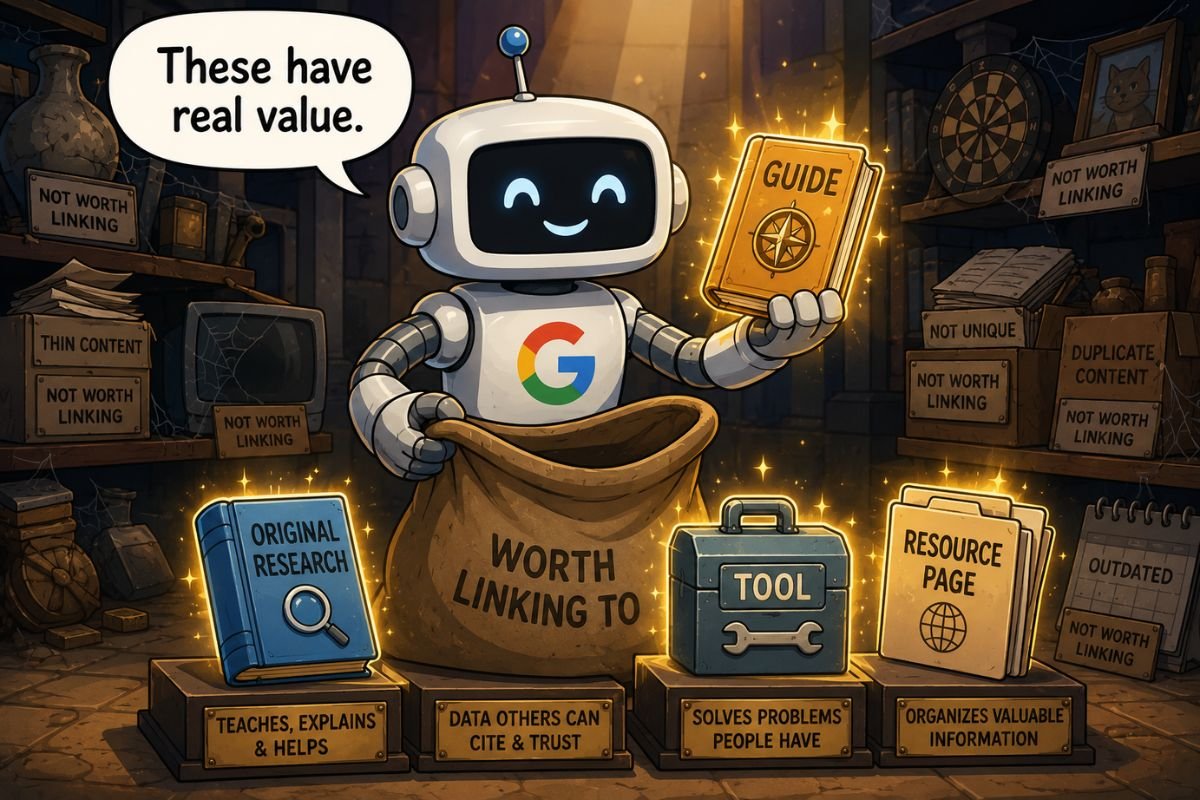
Assets that attract the most backlinks are linkable assets that can be referred to by other websites. This includes guides, original research, tools, and resource pages. Each attracts backlinks for different reasons, but they all share one thing: they give other websites something worth linking to.

Why “What Types of Linkable Assets Attract the Most Backlinks” Depends on Use

Not all linkable assets are the same.

  • Some are referred to because they are easy to understand.
  • Some are referred to because they provide data.
  • Some are referred to because they help solve a problem.

The type of asset is less important than how other websites use it.

A linkable asset that can be naturally referenced within other content is more likely to attract backlinks than one that stands alone with no clear use.


Guides That Become the Reference Point

In-depth guides attract backlinks because of the role they play.

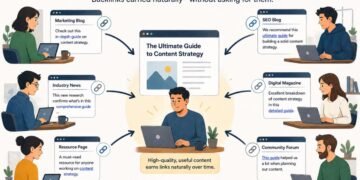
If content is written in a way that allows it to be referenced within other content, websites are more likely to link to it instead of rewriting the same information.

Over time, the guide becomes a reference point.

It is more likely to get backlinks when:

  • It clarifies something found across many articles
  • It organizes information in a way that is easy to reference
  • It helps others avoid repeating the same explanation

A guide does not get backlinks just because it is long. It gets backlinks because it becomes useful to reference.


Related Posts

Data Studies Are Powerful Linkable

Why Data Studies Are Powerful Linkable Assets

March 21, 2026
Create a Linkable Asset That Earns Natural Links

How to Create a Linkable Asset That Earns Natural Links

March 21, 2026
Successful Linkable Assets in SEO

Examples of Successful Linkable Assets in SEO

March 19, 2026

Are Free Tools the Best Type of Linkable Asset?

March 19, 2026

Research That Others Cite

Original research attracts backlinks because it introduces information that does not exist elsewhere.

When a website publishes data, surveys, or findings, other websites can cite it as a source.

Research is more likely to get backlinks when:

  • It presents new or updated information
  • It offers data that cannot be easily recreated
  • It is structured in a way that makes referencing simple

The backlink is not to the format, but to the information.

Tools That Solve a Specific Need

Tools attract backlinks because they allow users to do something directly.

Instead of explaining, the tool enables action.

A tool is more likely to get backlinks when:

  • It solves a clear and repeatable problem
  • It allows users to reach a result easily
  • It fits naturally within other content

Resource Pages That Aggregate Value

Resource pages attract backlinks because they gather useful information in one place.

They do not introduce new information like research or tools. Instead, they organize existing information.

A resource page is more likely to get backlinks when:

  • It brings relevant sources together
  • It saves time for users and creators
  • It is structured clearly and logically

A well-built resource page acts as a shortcut, and that is what makes it linkable.

Which Types Attract the Most Backlinks

There is no single type that attracts the most backlinks.

Research attracts links because it offers something unique.
Guides attract links because they explain widely discussed topics.
Tools attract links because they are used.
Resource pages attract links because they organize information.

The difference is not the type itself, but how often the asset becomes useful to others.

An asset that can be used across many contexts is more likely to attract backlinks than one with limited use.

Where This Often Goes Wrong

A common misconception is that a specific type of asset automatically attracts the most links.

Creating a long guide or publishing data does not guarantee backlinks if the asset is not actually useful to others.

Another misconception is treating all linkable assets as interchangeable.

A tool cannot replace research, and a guide cannot replace a tool.

The issue is not the type of asset, but the value it provides.

A linkable asset attracts backlinks when it becomes useful to others, whether as an explanation, data source, tool, or collection of information.

Tags: Off Page SEOSEO BasicsSEO ConceptsSEO content strategySEO fundamentals
ShareTweetPin

Related Posts

Types of Anchor Text

What Is LSI Anchor Text in SEO?

by idanpuz@gmail.com
April 14, 2026
0

LSI anchor text refers to anchor phrases that use words closely related to the...

Read moreDetails

What Is Long Tail Anchor Text?

April 14, 2026

How Surrounding Text Strengthens Anchor Relevance

April 14, 2026

What is a backlink profile?

April 12, 2026

Leave a Reply Cancel reply

Your email address will not be published. Required fields are marked *

  • About Us
  • Terms of Use
  • Use of Cookies
  • Affiliate Disclosure
  • Contact
  • Privacy Policy
2026 BacklinkSense © All rights reserved.

Welcome Back!

Login to your account below

Forgotten Password?

Retrieve your password

Please enter your username or email address to reset your password.

Log In

Accessibility Toolbar

  • Powered with favoriteLove by Codenroll
No Result
View All Result
  • Anchor Text
    • Anchor Text Context
    • Anchor Text Distribution
    • Anchor Text Strategy
    • Types of Anchor Text
  • Backlink Quality and Analysis
    • Authority and Trust Signals
    • Backlink Analysis Tools
    • Link Context
    • Link Placement
    • Link Quality Signals
    • Link Relevance
  • Link Building Basics
    • How Google Ranks Links
    • Types of Backlinks
    • What Are Backlinks
    • Why Backlinks Matter
  • Link Building Methods
    • Asset-Based Link Building
    • Content-Based Link Building
    • Digital PR and Authority Mentions
    • Passive Link Acquisition
    • Resource and Reference Links
  • Link Building Risks
    • Link Penalties
    • Link Velocity
    • Low-Quality Backlinks
    • Over-Optimized Anchor Text
    • Unnatural Link Patterns
  • Link Outreach
    • Finding Outreach Targets
    • Follow Up in Outreach
    • Outreach Email Strategies
    • Outreach Personalization
    • Relationship Based Outreach

2026 BacklinkSense © All rights reserved.

This website uses cookies to improve your experience and analyze site performance. By continuing to browse, you agree to our Privacy and Cookie Policy.