

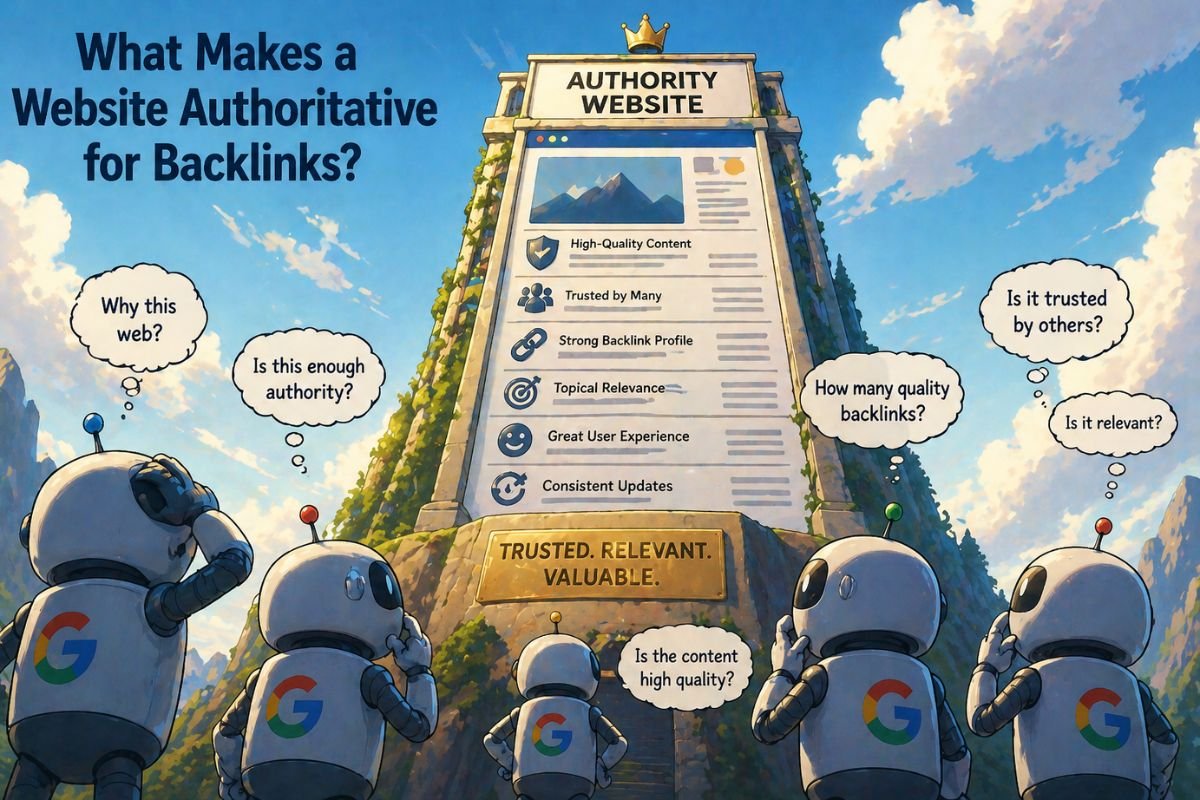

A website is authoritative for backlinks if the information provided is reliable, the site demonstrates expertise, and the site is recognized by other authoritative sources. Authority does not rely on one or two factors, but rather on the accumulation of several factors that show the site’s credibility, expertise, and trustworthiness.
Authority develops gradually as the information provided on the website is repeatedly used and referenced by other sites.
Depth of Content
One of the first things that can be noticed about authoritative websites is the depth of the content provided.
Authoritative sources usually provide content that goes beyond surface level information. Their posts discuss the topic in depth, explain the concepts, and give context that helps the reader understand the topic better.
The depth of the content indicates that the site is not just presenting information but contributing to the knowledge surrounding the topic.
Because of this, other writers are more likely to link to these sources when they need to reference material that explains the subject clearly.
When a website consistently provides this level of depth, the chances of it being cited by other writers increase.
Demonstrated Expertise
Authority is closely related to expertise. Websites that consistently discuss a topic in depth and provide reliable information gradually become recognized as knowledgeable sources.
Expertise can appear in several ways.



Some sites include research or detailed explanations that require subject knowledge. Others provide long term coverage of a specific field or industry. Some include contributions from professionals who share insights from their area of expertise.
When readers and other writers recognize that a website understands the subject it presents, trust begins to develop over time.
This recognition often results in other websites referencing the site when discussing the same subject.
A Natural Backlink Environment
Another aspect of authoritative websites is the backlink profile, which develops through natural referencing from different sources.
When a website becomes recognized for the information it provides, other sites may reference it in articles, research discussions, or resource pages as part of its broader reputation signals.
These backlinks can come from many contexts and domains, including industry websites, blogs, academic content, and community discussions.
This type of referencing pattern is considered natural because the links appear independently from different contexts rather than through coordinated placement.
Over time, this pattern reinforces the perception that the website is a reliable source of information.
Trust from Users
Another element of authority is trust from the audience.
Websites that provide reliable information over long periods often develop strong relationships with their readers. Users return to these sites when they need explanations or information related to the topic.
As this trust grows, the reputation of the website grows with it.
This trust can also influence how writers and researchers choose their references. Sources that readers already trust are more likely to be cited in articles, research, or reports.
In this way, user trust indirectly contributes to authority recognition beyond what SEO metrics can measure.
Mentions from Recognized Sources
Authority can also grow when a website is referenced by well-known publications, research institutions, or organizations.
These mentions can appear in the form of references, quotations, or links that help build topical authority around the source.
When recognized sources include a website in their discussions, it strengthens the perception that the site is a credible source of information.
Over time, this recognition spreads across the web as more writers discover and reference the same source.
You can find more context on this topic in the Authority and Trust Signals section.
Consistency Over Time
Authority is rarely built quickly. It usually develops through consistent publication, reliable information, and recognition over time.
Websites that focus on a specific subject and continue publishing valuable content about that subject gradually build credibility.
As the site continues to contribute useful information, its reputation grows within the field.
Because authority is closely tied to reputation, time becomes an important factor in the trust signals behind valuable backlinks.
A website that demonstrates expertise and reliability over many years is more likely to become a reference source within its niche.
You May Also Like:
Authority as a Recognition Process
Authority ultimately develops through recognition.
When writers reference a website in their work, when users trust the information it provides, and when publications mention it as a source, the site gradually becomes recognized as a reference within its niche.
This process does not depend on a single factor or technical signal. It emerges from a combination of expertise, consistency, references, and trust built over time.