
Wednesday, April 15, 2026
BacklinkSense
  • Anchor Text
    • Anchor Text Context
    • Anchor Text Distribution
    • Anchor Text Strategy
    • Types of Anchor Text
  • Backlink Quality and Analysis
    • Authority and Trust Signals
    • Backlink Analysis Tools
    • Link Context
    • Link Placement
    • Link Quality Signals
    • Link Relevance
  • Link Building Basics
    • How Google Ranks Links
    • Types of Backlinks
    • What Are Backlinks
    • Why Backlinks Matter
  • Link Building Methods
    • Asset-Based Link Building
    • Content-Based Link Building
    • Digital PR and Authority Mentions
    • Passive Link Acquisition
    • Resource and Reference Links
  • Link Building Risks
    • Link Penalties
    • Link Velocity
    • Low-Quality Backlinks
    • Over-Optimized Anchor Text
    • Unnatural Link Patterns
  • Link Outreach
    • Finding Outreach Targets
    • Follow Up in Outreach
    • Outreach Email Strategies
    • Outreach Personalization
    • Relationship Based Outreach
No Result
View All Result
  • Anchor Text
    • Anchor Text Context
    • Anchor Text Distribution
    • Anchor Text Strategy
    • Types of Anchor Text
  • Backlink Quality and Analysis
    • Authority and Trust Signals
    • Backlink Analysis Tools
    • Link Context
    • Link Placement
    • Link Quality Signals
    • Link Relevance
  • Link Building Basics
    • How Google Ranks Links
    • Types of Backlinks
    • What Are Backlinks
    • Why Backlinks Matter
  • Link Building Methods
    • Asset-Based Link Building
    • Content-Based Link Building
    • Digital PR and Authority Mentions
    • Passive Link Acquisition
    • Resource and Reference Links
  • Link Building Risks
    • Link Penalties
    • Link Velocity
    • Low-Quality Backlinks
    • Over-Optimized Anchor Text
    • Unnatural Link Patterns
  • Link Outreach
    • Finding Outreach Targets
    • Follow Up in Outreach
    • Outreach Email Strategies
    • Outreach Personalization
    • Relationship Based Outreach
No Result
View All Result
BacklinkSense
No Result
View All Result
ADVERTISEMENT
Pages That Earn Passive Backlinks

Examples of Pages That Earn Passive Backlinks

Backlink Sense by Backlink Sense
March 30, 2026
in Passive Link Acquisition
Reading Time: 3 mins read
0
Share on FacebookShare on Twitter

Page Contents

  • 1 Definition pages
  • 2 Original research pages
  • 3 Resource pages
  • 4 Related Posts
  • 5 How to Earn Backlinks Without Outreach
  • 6 Why Some Pages Naturally Attract Backlinks
  • 7 How Evergreen Content Attracts Backlinks Naturally
  • 8 In-depth guides
  • 9 Pages that explain a distinction clearly
  • 10 Evergreen reference pages
  • 11 Why these pages work
  • 12 Where this often gets misunderstood

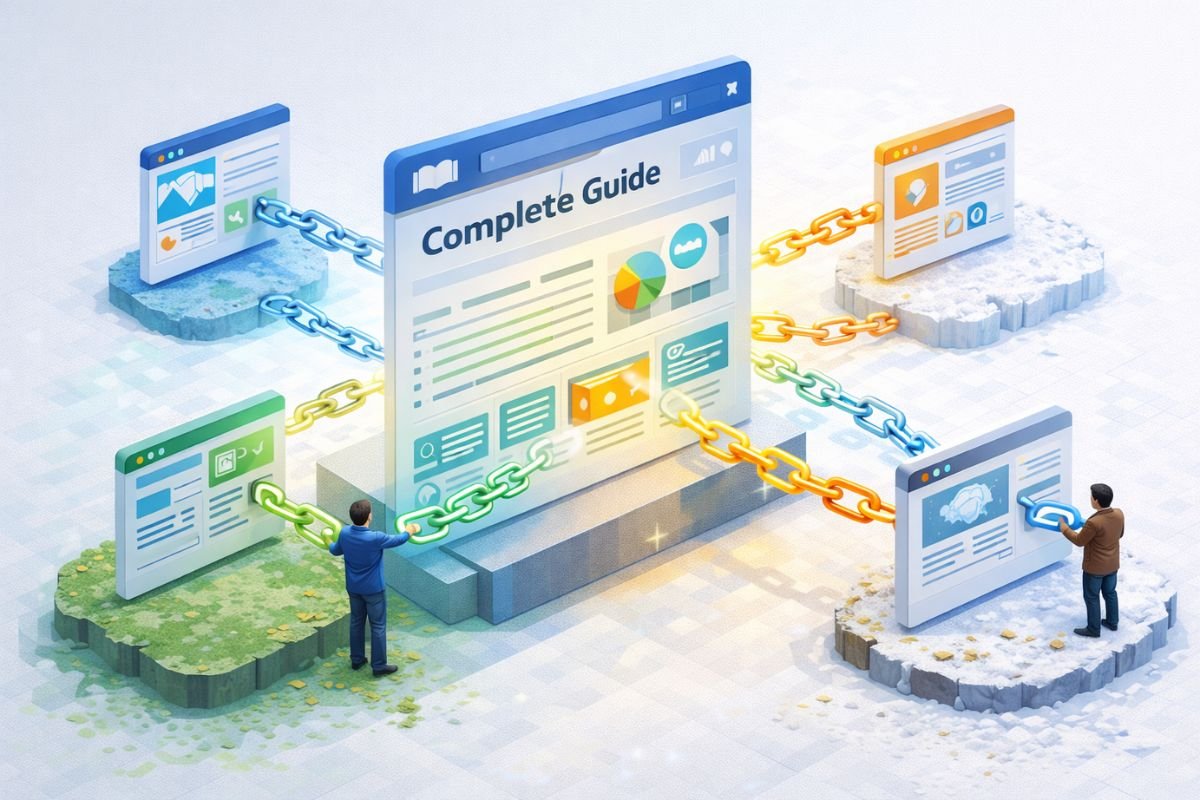
Examples of pages that earn passive backlinks usually include pages that other websites can easily reference without being asked. These are not pages that get links because someone promoted them directly. They get links because they already serve a useful role in the topic.

Definition pages

Definition pages often earn passive backlinks because writers regularly need something clear and stable to point to.

When a topic includes terms that are misunderstood, loosely used, or explained differently across the web, a page that defines the concept cleanly becomes useful beyond its own audience. Other sites may link to it when they want to clarify a term without stopping to explain the full concept themselves.

This works because the page helps support the structure of someone else’s article. It gives them a reference point that fits naturally into their explanation.

Original research pages

Research pages are another common example of pages that earn passive backlinks.

A writer may need data, findings, or a source that supports a claim. If a page contains statistics, observations, or research-based analysis that can be cited, it becomes much easier to reference in future content. The link is often not about the page being popular. It is about the page being usable as supporting material.

That is why research pages often keep attracting backlinks over time. Once the information becomes useful in one article, it can continue being used in many others.

Resource pages

Resource pages often earn passive backlinks because they save people effort.

Instead of forcing a writer to gather multiple references from different places, a strong resource page gives them something already organized in one location. That can make the page easier to cite than several scattered sources. In many cases, the backlink appears because the page helps another site simplify its own content creation process. To better understand how this works.

This kind of page works when the resource itself is actually useful, not when it is just a long list. The more practical the page is, the more naturally it fits into linking decisions.

Related Posts

How to Earn Backlinks Without Outreach

April 10, 2026

Why Some Pages Naturally Attract Backlinks

April 10, 2026
Content Attracts Backlinks Naturally

How Evergreen Content Attracts Backlinks Naturally

March 30, 2026

In-depth guides

Some guides earn passive backlinks because they become the page people use when they need to explain a subject clearly.

A guide works well in this role when it does more than cover basics. It needs to organize the topic in a way that helps other writers rely on it. If someone is writing about a subject and needs a page that already explains the bigger picture well, a strong guide can become the easiest reference.

What makes this type of page effective is not just length. It is clarity, structure, and usefulness as a supporting source.

Pages that explain a distinction clearly

Pages that separate similar ideas often earn passive backlinks because they reduce confusion.

Writers frequently need to explain the difference between two related terms, models, or concepts. If a page handles that distinction in a sharp and usable way, it becomes highly referenceable. The reason is simple. It helps another site explain something without having to rebuild the comparison from scratch.

This type of page often performs well because it solves a very specific editorial problem. It gives clarity exactly where confusion tends to happen.

Evergreen reference pages

Evergreen reference pages are also common examples of pages that earn passive backlinks.

These pages stay useful over time. They are not tied to a short news cycle or a temporary trend. Because the topic remains relevant, the page keeps having opportunities to be discovered and cited. A writer finding it six months later may still see it as a strong reference.

That longer useful life is a major reason passive backlinks continue to accumulate. The page stays relevant long enough to enter many different contexts.

Why these pages work

What these examples have in common is not just format. It is a function.

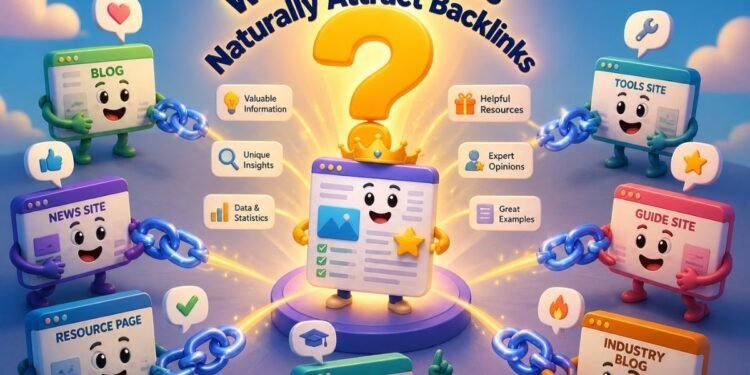
Each page gives another site something it can use. That may be a definition, a source, a reference point, a structured explanation, or a clear distinction. The backlink happens because the page helps the linking page do its job better.

That is the practical pattern behind pages that earn passive backlinks. They are not just readable. They are referenceable.

Where this often gets misunderstood

A common mistake is thinking that pages earn passive backlinks because they are long, polished, or generally high quality. Those things can help, but they are not the main reason.

The stronger reason is that the page becomes useful within someone else’s writing process.

That is why some pages keep attracting links quietly while others do not. The deciding factor is often not how impressive the page looks. It is whether another publisher can naturally use it as part of what they are already trying to explain.

Tags: Editorial CitationsEvergreen AssetsInformational UtilityResearch References
ShareTweetPin

Related Posts

Passive Link Acquisition

How to Earn Backlinks Without Outreach

by Backlink Sense
April 10, 2026
0

Earning a backlink without outreach means that the page has become useful enough to...

Read moreDetails

Why Some Pages Naturally Attract Backlinks

April 10, 2026

Leave a Reply Cancel reply

Your email address will not be published. Required fields are marked *

  • About Us
  • Terms of Use
  • Use of Cookies
  • Affiliate Disclosure
  • Contact
  • Privacy Policy
2026 BacklinkSense © All rights reserved.

Welcome Back!

Login to your account below

Forgotten Password?

Retrieve your password

Please enter your username or email address to reset your password.

Log In

Accessibility Toolbar

  • Powered with favoriteLove by Codenroll
No Result
View All Result
  • Anchor Text
    • Anchor Text Context
    • Anchor Text Distribution
    • Anchor Text Strategy
    • Types of Anchor Text
  • Backlink Quality and Analysis
    • Authority and Trust Signals
    • Backlink Analysis Tools
    • Link Context
    • Link Placement
    • Link Quality Signals
    • Link Relevance
  • Link Building Basics
    • How Google Ranks Links
    • Types of Backlinks
    • What Are Backlinks
    • Why Backlinks Matter
  • Link Building Methods
    • Asset-Based Link Building
    • Content-Based Link Building
    • Digital PR and Authority Mentions
    • Passive Link Acquisition
    • Resource and Reference Links
  • Link Building Risks
    • Link Penalties
    • Link Velocity
    • Low-Quality Backlinks
    • Over-Optimized Anchor Text
    • Unnatural Link Patterns
  • Link Outreach
    • Finding Outreach Targets
    • Follow Up in Outreach
    • Outreach Email Strategies
    • Outreach Personalization
    • Relationship Based Outreach

2026 BacklinkSense © All rights reserved.

This website uses cookies to improve your experience and analyze site performance. By continuing to browse, you agree to our Privacy and Cookie Policy.