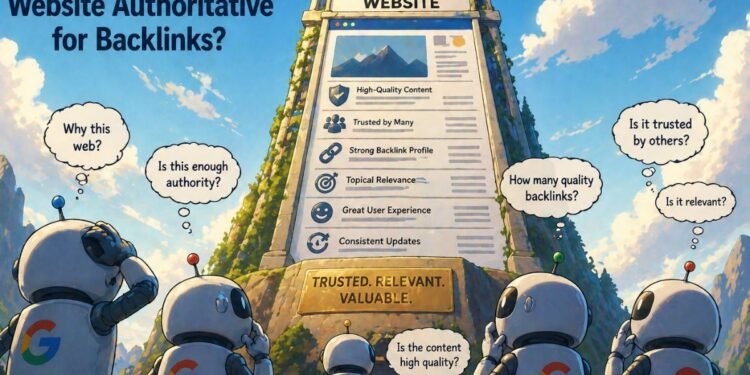


A linkable asset is an asset that earns natural links when it provides other pages with a reason to link to it. The reason is typically created by a combination of a well-chosen idea, an additional layer of value, and a strong fit with the audience it is meant to serve.
Why “How to Create a Linkable Asset That Earns Natural Links” Depends on Fit
A link is not earned by the existence of the page, regardless of whether the page is well-written.
A link is earned when the page has a reason to exist in relation to other pages.
A link is earned when the page answers, helps, or simplifies something that has already been done elsewhere.
Without links, the asset is just another well-written page with no clear role.
With links, the asset becomes something that has a defined place within a network of pages.
Choosing an Idea That Others Can Reference
The process starts not with the form of the asset, but with its function.
An idea is linkable when it is positioned at a point that other pages are likely to reach.
An idea becomes linkable when it is:
- Repeatedly explained across different articles
- Frequently referenced but rarely explained
- Often needed as supporting information
An idea that does not sit at the intersection of many pages is unlikely to earn links.



An idea that sits at that intersection is far more likely to be used and referenced.
The question is not whether the idea is interesting, but whether it sits at that intersection.
A strong idea is not necessarily interesting; it is usable.
Creating a Layer of Value That Stands on Its Own
Once the idea is clear, the next step is to define what makes the asset worth linking to.
This is not about length or format. It is about how the asset changes the way information is used.
An asset becomes linkable when it:
- Makes something simpler that was previously fragmented
- Organizes information that was previously scattered
- Clarifies something that was previously confusing
The asset becomes a base that others can refer to instead of recreating the same explanation.
If the content can be easily rewritten elsewhere, then it does not require linking.
Aligning the Asset with a Specific Audience
An asset does not exist on its own. It exists for a group of people who will use it.
When the content aligns with how that group thinks, writes, and references information, it becomes easier to link to.
If it does not align, it may still be useful, but it will not be referenced.
Alignment does not mean broad appeal. It means being specific enough that a defined group can use it without needing to adjust it.
Discover more in our complete Link Building Methods category
How Natural Links Form Around an Asset
A page does not earn natural links instantly. It happens over time through repeated use.
A page is discovered, used once, then used again in different contexts.
Over time, a pattern forms.
This is not driven by one action, but by consistent usefulness. The more often an asset solves a small need, the more likely it is to be used again.
This is why some pages gradually gain links, while others remain unchanged.
A Simple Example of a Linkable Asset
Consider an asset that explains a concept that is often misunderstood. Writers covering similar topics may choose to link to it instead of explaining it themselves, and over time, it becomes widely used.
Compare this to an asset that only provides general information. The difference is not the presence of information, but how that information is positioned and used.
Why Some Assets Earn Links While Others Do Not
It is often assumed that detailed or well designed content is enough. However, an asset that does not fit into other pages has no reason to be linked.
Another misunderstanding is that visibility alone drives links. In reality, usefulness is what leads to links.
An asset earns links when it becomes part of how other content is created. Until then, it remains separate from the network.
Where This Often Goes Wrong
A common mistake is focusing on the format instead of the purpose. Creating an asset just to have one often leads to content that is complete but never used.
Another mistake is trying to create something for everyone. When content is too broad, it loses the specificity that makes it useful in real situations.
There is also a tendency to add more content instead of improving what already exists. More content does not necessarily improve a linkable asset.
A linkable asset earns natural links when it is usable, fits within existing content, stands out, and is easier to reference than to recreate.