
Thursday, June 4, 2026
BacklinkSense
  • Anchor Text
    • Anchor Text Context
    • Anchor Text Distribution
    • Anchor Text Strategy
    • Types of Anchor Text
  • Backlink Quality and Analysis
    • Authority and Trust Signals
    • Backlink Analysis Tools
    • Link Context
    • Link Placement
    • Link Quality Signals
    • Link Relevance
  • Link Building Basics
    • How Google Ranks Links
    • Types of Backlinks
    • What Are Backlinks
    • Why Backlinks Matter
  • Link Building Methods
    • Asset-Based Link Building
    • Content-Based Link Building
    • Digital PR and Authority Mentions
    • Passive Link Acquisition
    • Resource and Reference Links
  • Link Building Risks
    • Link Penalties
    • Link Velocity
    • Low-Quality Backlinks
    • Over-Optimized Anchor Text
    • Unnatural Link Patterns
  • Link Outreach
    • Finding Outreach Targets
    • Follow Up in Outreach
    • Outreach Email Strategies
    • Outreach Personalization
    • Relationship Based Outreach
No Result
View All Result
  • Anchor Text
    • Anchor Text Context
    • Anchor Text Distribution
    • Anchor Text Strategy
    • Types of Anchor Text
  • Backlink Quality and Analysis
    • Authority and Trust Signals
    • Backlink Analysis Tools
    • Link Context
    • Link Placement
    • Link Quality Signals
    • Link Relevance
  • Link Building Basics
    • How Google Ranks Links
    • Types of Backlinks
    • What Are Backlinks
    • Why Backlinks Matter
  • Link Building Methods
    • Asset-Based Link Building
    • Content-Based Link Building
    • Digital PR and Authority Mentions
    • Passive Link Acquisition
    • Resource and Reference Links
  • Link Building Risks
    • Link Penalties
    • Link Velocity
    • Low-Quality Backlinks
    • Over-Optimized Anchor Text
    • Unnatural Link Patterns
  • Link Outreach
    • Finding Outreach Targets
    • Follow Up in Outreach
    • Outreach Email Strategies
    • Outreach Personalization
    • Relationship Based Outreach
No Result
View All Result
BacklinkSense
No Result
View All Result
ADVERTISEMENT

How Backlink Crawlers Discover Links

Backlink Sense by Backlink Sense
June 3, 2026
in Backlink Analysis Tools
Reading Time: 4 mins read
0
Share on FacebookShare on Twitter

Page Contents

  • 1 Crawlers move through the web using link pathways
  • 2 Internal links help crawlers discover deeper pages
  • 3 Related Posts
  • 4 Why Backlink Databases Can Never Be Fully Accurate
  • 5 Are Important Backlinks Not Detected by SEO Tools Possible?
  • 6 Reasons for Differences in Backlink Data Among Various SEO Platforms
  • 7 How to Monitor New Backlinks Automatically
  • 8 External links expand crawler discovery beyond individual websites
  • 9 Crawl dependency shapes backlink visibility
  • 10 Some pages are naturally harder to discover
  • 11 Backlink discovery is a continuous process
  • 12 Why backlink discovery depends on crawling systems

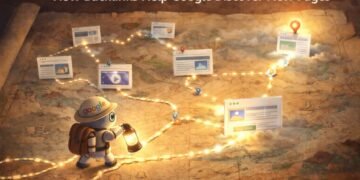
Backlink crawlers discover links by moving through the web page by page, following pathways created by internal links, external references, sitemaps, previously known URLs, and newly detected pages. A backlink cannot appear inside a backlink database unless the crawler first discovers the page containing the link and successfully processes its content.

This means backlink discovery depends heavily on crawl accessibility and page connectivity.

Many people think backlink tools instantly “know” when a link exists. In reality, crawlers must continuously search for new pages across an enormous and constantly changing web environment.

Crawlers move through the web using link pathways

Backlink crawlers operate by following discoverable paths between pages.

When a crawler visits a webpage, it extracts the URLs found on that page and adds many of them into future crawl queues. Those newly discovered pages may then lead to additional URLs, creating an expanding network of crawlable pathways across the internet.

This process allows backlink databases to grow gradually over time.

The important point is that crawlers usually do not discover pages randomly. Discovery often depends on whether another accessible page already points toward the URL.

Without crawlable pathways, many pages remain invisible.

Internal links help crawlers discover deeper pages

Internal site structure strongly influences backlink discovery.

Pages connected clearly through navigation systems, category structures, contextual links, or sitemaps are generally easier for crawlers to reach consistently. Meanwhile, isolated pages buried deep inside a website may remain undiscovered for long periods.

Related Posts

Why Backlink Databases Can Never Be Fully Accurate

June 3, 2026

Are Important Backlinks Not Detected by SEO Tools Possible?

June 3, 2026

Reasons for Differences in Backlink Data Among Various SEO Platforms

June 3, 2026

How to Monitor New Backlinks Automatically

May 13, 2026

This affects backlink visibility directly.

If a page containing backlinks has weak internal connectivity, crawlers may revisit it infrequently or fail to discover it entirely. The backlinks on that page therefore remain absent from the backlink database even though they technically exist online.

Crawl accessibility becomes part of the discovery process itself.

External links expand crawler discovery beyond individual websites

Backlink crawlers also discover pages through external references from other websites.

When one domain links to another, the crawler may follow that connection and begin exploring previously unknown sections of the web. This creates a continuously expanding crawl ecosystem where discovered pages help expose additional URLs elsewhere.

Pages receiving external references from multiple locations are generally easier for crawlers to find repeatedly.

By contrast, pages with little external visibility may remain hidden much longer, especially if their internal site structure is also weak.

This creates uneven discovery patterns across the web.

Crawl dependency shapes backlink visibility

Backlink discovery depends entirely on successful crawling.

Before a backlink appears inside a database, several things usually need to happen:

  • the crawler must discover the page
  • the page must remain accessible
  • the content must load correctly
  • the crawler must process the HTML
  • the backlink must be extracted and stored

If any part of that sequence fails, the backlink may remain missing from the index.

This is why some backlinks appear inconsistently across different databases. Discovery depends not only on the existence of the link itself, but also on whether the crawler successfully reaches and processes the page environment containing it.

Some pages are naturally harder to discover

Not all pages are equally crawlable.

Certain environments create discovery challenges because they rely heavily on:

  • JavaScript rendering
  • weak internal linking
  • dynamically generated URLs
  • temporary page states
  • restricted crawl environments
  • orphaned pages with few incoming paths

These pages may still contain legitimate backlinks while remaining difficult for crawlers to process consistently.

In some cases, the backlink exists publicly online but remains effectively invisible until the crawler eventually reaches the page through another pathway.

This is one reason backlink discovery often happens gradually rather than instantly.

Backlink discovery is a continuous process

Backlink crawlers never fully stop discovering new pages.

The web constantly changes as websites publish content, update structures, create new URLs, remove pages, or alter linking environments. Crawlers continuously revisit known pages while simultaneously searching for new crawl pathways across the internet.

Because of this, backlink databases remain in a permanent state of expansion and revision.

A backlink missing today may appear later once the crawler eventually discovers or recrawls the relevant page.

Why backlink discovery depends on crawling systems

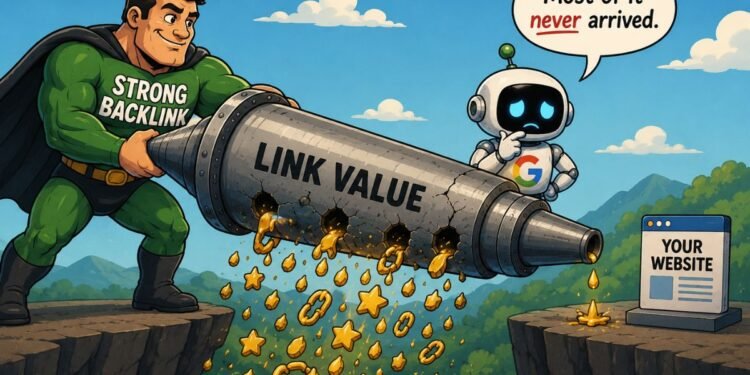
Backlink databases only know about links their crawlers successfully discover and process.

The discovery process depends on crawl pathways, internal connectivity, external references, accessible page structures, and successful content extraction. Without those conditions, backlinks may remain temporarily or permanently absent from the database.

This is why backlink visibility is fundamentally tied to how crawlers navigate and explore the web itself.
Tags: backlink analysisCrawlingSEO Data SystemsSite architectureTechnical SEO
ShareTweetPin

Related Posts

Link Context

Why Even Strong Context Can Produce Weak Signals

by Backlink Sense
June 3, 2026
0

Strong context can fail to create strong SEO signals because even highly relevant backlink...

Read moreDetails

Are Contextual Backlinks Still Considered Manipulative?

June 3, 2026

Why Backlink Databases Can Never Be Fully Accurate

June 3, 2026

Are Important Backlinks Not Detected by SEO Tools Possible?

June 3, 2026

Leave a Reply Cancel reply

Your email address will not be published. Required fields are marked *

  • About Us
  • Terms of Use
  • Use of Cookies
  • Affiliate Disclosure
  • Contact
  • Privacy Policy
2026 BacklinkSense © All rights reserved.

Welcome Back!

Login to your account below

Forgotten Password?

Retrieve your password

Please enter your username or email address to reset your password.

Log In

Accessibility Toolbar

  • Powered with favoriteLove by Codenroll
No Result
View All Result
  • Anchor Text
    • Anchor Text Context
    • Anchor Text Distribution
    • Anchor Text Strategy
    • Types of Anchor Text
  • Backlink Quality and Analysis
    • Authority and Trust Signals
    • Backlink Analysis Tools
    • Link Context
    • Link Placement
    • Link Quality Signals
    • Link Relevance
  • Link Building Basics
    • How Google Ranks Links
    • Types of Backlinks
    • What Are Backlinks
    • Why Backlinks Matter
  • Link Building Methods
    • Asset-Based Link Building
    • Content-Based Link Building
    • Digital PR and Authority Mentions
    • Passive Link Acquisition
    • Resource and Reference Links
  • Link Building Risks
    • Link Penalties
    • Link Velocity
    • Low-Quality Backlinks
    • Over-Optimized Anchor Text
    • Unnatural Link Patterns
  • Link Outreach
    • Finding Outreach Targets
    • Follow Up in Outreach
    • Outreach Email Strategies
    • Outreach Personalization
    • Relationship Based Outreach

2026 BacklinkSense © All rights reserved.

This website uses cookies to improve your experience and analyze site performance. By continuing to browse, you agree to our Privacy and Cookie Policy.