
Sunday, March 15, 2026
BacklinkSense
  • Anchor Text
    • Anchor Text Context
    • Anchor Text Distribution
    • Anchor Text Strategy
    • Types of Anchor Text
  • Backlink Quality and Analysis
    • Authority and Trust Signals
    • Backlink Analysis Tools
    • Link Context
    • Link Placement
    • Link Quality Signals
    • Link Relevance
  • Link Building Basics
    • How Google Ranks Links
    • Types of Backlinks
    • What Are Backlinks
    • Why Backlinks Matter
  • Link Building Methods
    • Asset-Based Link Building
    • Content-Based Link Building
    • Digital PR and Authority Mentions
    • Passive Link Acquisition
    • Resource and Reference Links
  • Link Building Risks
    • Link Penalties
    • Link Velocity
    • Low-Quality Backlinks
    • Over-Optimized Anchor Text
    • Unnatural Link Patterns
  • Link Outreach
    • Finding Outreach Targets
    • Follow Up in Outreach
    • Outreach Email Strategies
    • Outreach Personalization
    • Relationship Based Outreach
No Result
View All Result
  • Anchor Text
    • Anchor Text Context
    • Anchor Text Distribution
    • Anchor Text Strategy
    • Types of Anchor Text
  • Backlink Quality and Analysis
    • Authority and Trust Signals
    • Backlink Analysis Tools
    • Link Context
    • Link Placement
    • Link Quality Signals
    • Link Relevance
  • Link Building Basics
    • How Google Ranks Links
    • Types of Backlinks
    • What Are Backlinks
    • Why Backlinks Matter
  • Link Building Methods
    • Asset-Based Link Building
    • Content-Based Link Building
    • Digital PR and Authority Mentions
    • Passive Link Acquisition
    • Resource and Reference Links
  • Link Building Risks
    • Link Penalties
    • Link Velocity
    • Low-Quality Backlinks
    • Over-Optimized Anchor Text
    • Unnatural Link Patterns
  • Link Outreach
    • Finding Outreach Targets
    • Follow Up in Outreach
    • Outreach Email Strategies
    • Outreach Personalization
    • Relationship Based Outreach
No Result
View All Result
BacklinkSense
No Result
View All Result
ADVERTISEMENT

Can Algorithmic Penalties Be Reversed?

Backlink Sense by Backlink Sense
March 3, 2026
in Link Penalties
Reading Time: 3 mins read
0
Share on FacebookShare on Twitter

Page Contents

  • 1 What Is an Algorithmic Penalty?
  • 2 Why It Differs From a Manual Action
  • 3 Related Posts
  • 4 How to Recover from a Link Penalty?
  • 5 What Triggers a Google Link Penalty?
  • 6 What Is a Manual Link Penalty?
  • 7 When Algorithmic Penalties Can Be Reversed
  • 8 Why Recovery Is Not Immediate
  • 9 When Algorithmic Penalties May Not Be Reversed
  • 10 Expectation Management
  • 11 A System-Level Perspective

Yes, algorithmic penalties can be reversed, but not in the same way as manual actions.

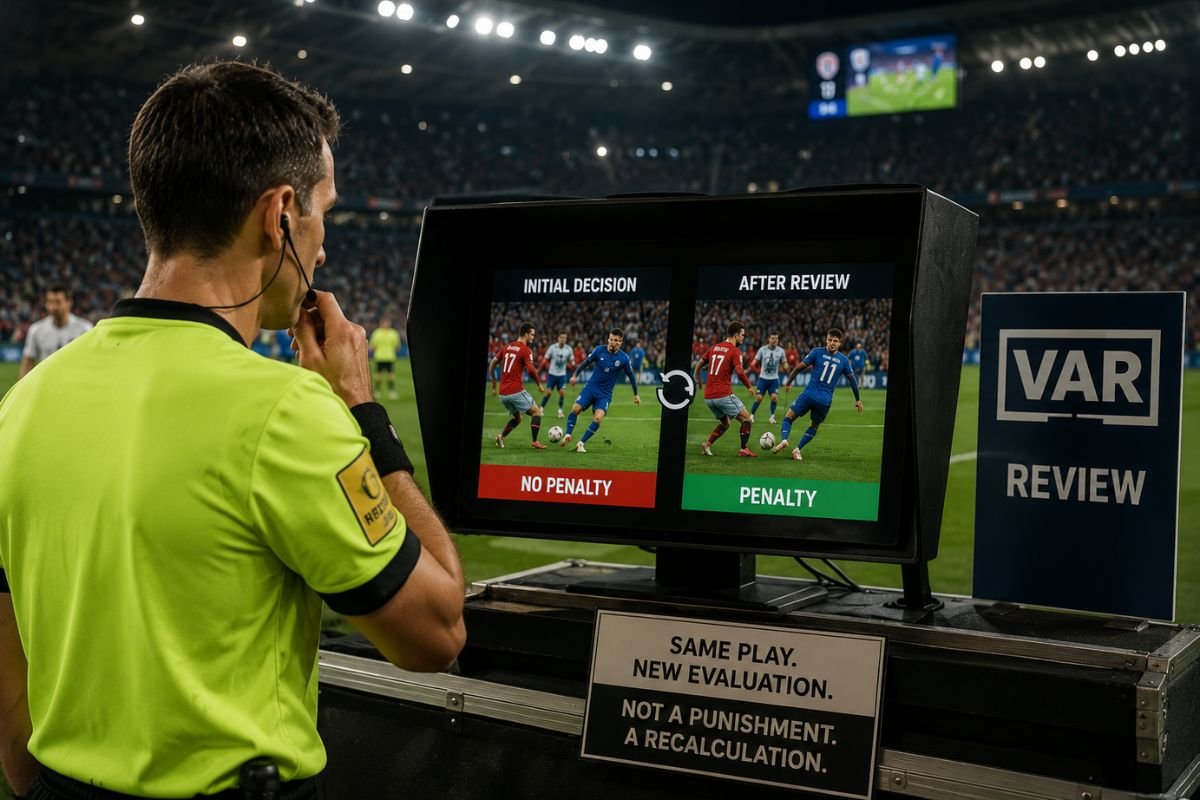
An algorithmic penalty is not a formal action taken against a website. It is a ranking adjustment made when the system re-evaluates signals and reduces confidence in them.

There is no reconsideration form. There is only recalculation.

What Is an Algorithmic Penalty?

An algorithmic penalty refers to a decline in rankings caused by signal re-evaluation within automated systems.

Unlike a manual action, there is no notification in Google Search Console. The only observable indicator is a performance decline in traffic and visibility.

Algorithmic suppression typically involves:

  • Pattern recognition
  • Signal dampening
  • Reduced confidence in specific ranking inputs

The system recalibrates signal weight. There is no formal label.

Why It Differs From a Manual Action

Manual actions involve human review and explicit rule enforcement.

Algorithmic suppression involves models adjusting signal interpretation without human intervention.

There is no action to revoke because no formal action was applied. The system simply modifies weight and confidence.

Related Posts

How to Recover from a Link Penalty?

How to Recover from a Link Penalty?

February 22, 2026
What Triggers a Google Link Penalty?

What Triggers a Google Link Penalty?

February 20, 2026
What Is a Manual Link Penalty?

What Is a Manual Link Penalty?

February 18, 2026

Manual penalties are procedural. Algorithmic adjustments are probabilistic.

When Algorithmic Penalties Can Be Reversed

Reversal occurs when underlying signals are corrected.

If a site improves the structural patterns that caused signal dampening, the system may gradually restore confidence during reprocessing cycles.

Search systems continuously reassess link structures, content signals, and behavioral patterns. As those inputs change, ranking outputs may shift accordingly.

Reversal is the result of re-evaluation, not appeal.

Why Recovery Is Not Immediate

Algorithmic systems operate at scale and rely on periodic recalculation.

Even after corrections, time may be required for:

  • Updated link signals to be crawled
  • Structural inconsistencies to normalize
  • Confidence levels to rebuild

Because there is no formal review process, recovery depends entirely on system reprocessing.

This introduces uncertainty regarding timing.

Unlike manual penalties, which can be lifted after reconsideration approval, algorithmic suppression resolves only when signals are interpreted differently through recalibration.

When Algorithmic Penalties May Not Be Reversed

Not all ranking reductions attributed to algorithmic penalties will fully reverse.

If prior rankings were supported by artificial or discounted signals, their removal may not restore previous levels. Improvement may occur only to sustainable positions.

If structural weaknesses remain, reduced signal weight may persist, since reversal depends on genuine structural correction rather than superficial adjustments.

Expectation Management

When asking whether algorithmic penalties can be reversed, the answer is yes, with conditions.

There is:

  • No appeal process
  • No fixed timeline
  • No confirmation notification

Recovery aligns with probability and pattern consistency. As site signals begin to align with sustainable patterns, interpretive confidence may increase.

The process is recalibration rather than removal.

A System-Level Perspective

Algorithmic penalties are not punitive measures. They represent adjustments in confidence within ranking models.

If signal confidence improves, suppression may lift, while persistent inconsistencies may cause reduced weight to remain. Because algorithmic systems continually update how signals are interpreted, reversal remains structurally possible, which is why the path to recovery is structural rather than procedural.

Tags: algorithmic penaltylink signalsSEO recovery
ShareTweetPin

Related Posts

Does Link Position Affect Rankings?
How Google Ranks Links

Does Link Position Affect Rankings?

by Backlink Sense
February 17, 2026
0

Link position can influence the meaning of a link, although it does not operate...

Read moreDetails
What is anchor text distribution

What is anchor text distribution, and why is it significant?

February 11, 2026

Leave a Reply Cancel reply

Your email address will not be published. Required fields are marked *

  • About Us
  • Terms of Use
  • Use of Cookies
  • Affiliate Disclosure
  • Contact
  • Privacy Policy
2026 BacklinkSense © All rights reserved.

Welcome Back!

Login to your account below

Forgotten Password?

Retrieve your password

Please enter your username or email address to reset your password.

Log In

Accessibility Toolbar

  • Powered with favoriteLove by Codenroll
No Result
View All Result
  • Anchor Text
    • Anchor Text Context
    • Anchor Text Distribution
    • Anchor Text Strategy
    • Types of Anchor Text
  • Backlink Quality and Analysis
    • Authority and Trust Signals
    • Backlink Analysis Tools
    • Link Context
    • Link Placement
    • Link Quality Signals
    • Link Relevance
  • Link Building Basics
    • How Google Ranks Links
    • Types of Backlinks
    • What Are Backlinks
    • Why Backlinks Matter
  • Link Building Methods
    • Asset-Based Link Building
    • Content-Based Link Building
    • Digital PR and Authority Mentions
    • Passive Link Acquisition
    • Resource and Reference Links
  • Link Building Risks
    • Link Penalties
    • Link Velocity
    • Low-Quality Backlinks
    • Over-Optimized Anchor Text
    • Unnatural Link Patterns
  • Link Outreach
    • Finding Outreach Targets
    • Follow Up in Outreach
    • Outreach Email Strategies
    • Outreach Personalization
    • Relationship Based Outreach

2026 BacklinkSense © All rights reserved.

This website uses cookies to improve your experience and analyze site performance. By continuing to browse, you agree to our Privacy and Cookie Policy.