Friday, July 31, 2026
BacklinkSense
  • Anchor Text
    • Anchor Text Context
    • Anchor Text Distribution
    • Anchor Text Strategy
    • Types of Anchor Text
  • Backlink Quality and Analysis
    • Authority and Trust Signals
    • Backlink Analysis Tools
    • Link Context
    • Link Placement
    • Link Quality Signals
    • Link Relevance
  • Link Building Basics
    • How Google Ranks Links
    • Types of Backlinks
    • What Are Backlinks
    • Why Backlinks Matter
  • Link Building Methods
    • Asset-Based Link Building
    • Content-Based Link Building
    • Digital PR and Authority Mentions
    • Passive Link Acquisition
    • Resource and Reference Links
  • Link Building Risks
    • Link Penalties
    • Link Velocity
    • Low-Quality Backlinks
    • Over-Optimized Anchor Text
    • Unnatural Link Patterns
  • Link Outreach
    • Finding Outreach Targets
    • Follow Up in Outreach
    • Outreach Email Strategies
No Result
View All Result
  • Anchor Text
    • Anchor Text Context
    • Anchor Text Distribution
    • Anchor Text Strategy
    • Types of Anchor Text
  • Backlink Quality and Analysis
    • Authority and Trust Signals
    • Backlink Analysis Tools
    • Link Context
    • Link Placement
    • Link Quality Signals
    • Link Relevance
  • Link Building Basics
    • How Google Ranks Links
    • Types of Backlinks
    • What Are Backlinks
    • Why Backlinks Matter
  • Link Building Methods
    • Asset-Based Link Building
    • Content-Based Link Building
    • Digital PR and Authority Mentions
    • Passive Link Acquisition
    • Resource and Reference Links
  • Link Building Risks
    • Link Penalties
    • Link Velocity
    • Low-Quality Backlinks
    • Over-Optimized Anchor Text
    • Unnatural Link Patterns
  • Link Outreach
    • Finding Outreach Targets
    • Follow Up in Outreach
    • Outreach Email Strategies
No Result
View All Result
BacklinkSense
No Result
View All Result

Home - Anchor Text - Anchor Text Context - Writing Natural Anchor Text Context for Backlinks

Writing Natural Anchor Text Context for Backlinks

Writing Natural Anchor Text Context for Backlinks

Backlink Sense by Backlink Sense
April 12, 2026
in Anchor Text Context
Reading Time: 4 mins read
Share On FacebookShare On Reddit

Page Contents

  • 1. Sentence Flow and the Placement of a Link
  • 2. Maintaining Semantic Continuity
  • 3. Related Posts
  • 4. How Surrounding Text Strengthens Anchor Relevance
  • 5. How Search Engines Interpret Anchor Text Context
  • 6. How Paragraph Structure Influences Link Relevance
  • 7. Avoiding Forced Anchor Placements
  • 8. Context Before the Anchor
  • 9. Keeping the Anchor Phrase Integrated
  • 10. The Role of Paragraph Context
  • 11. Natural Links as Part of Written Language

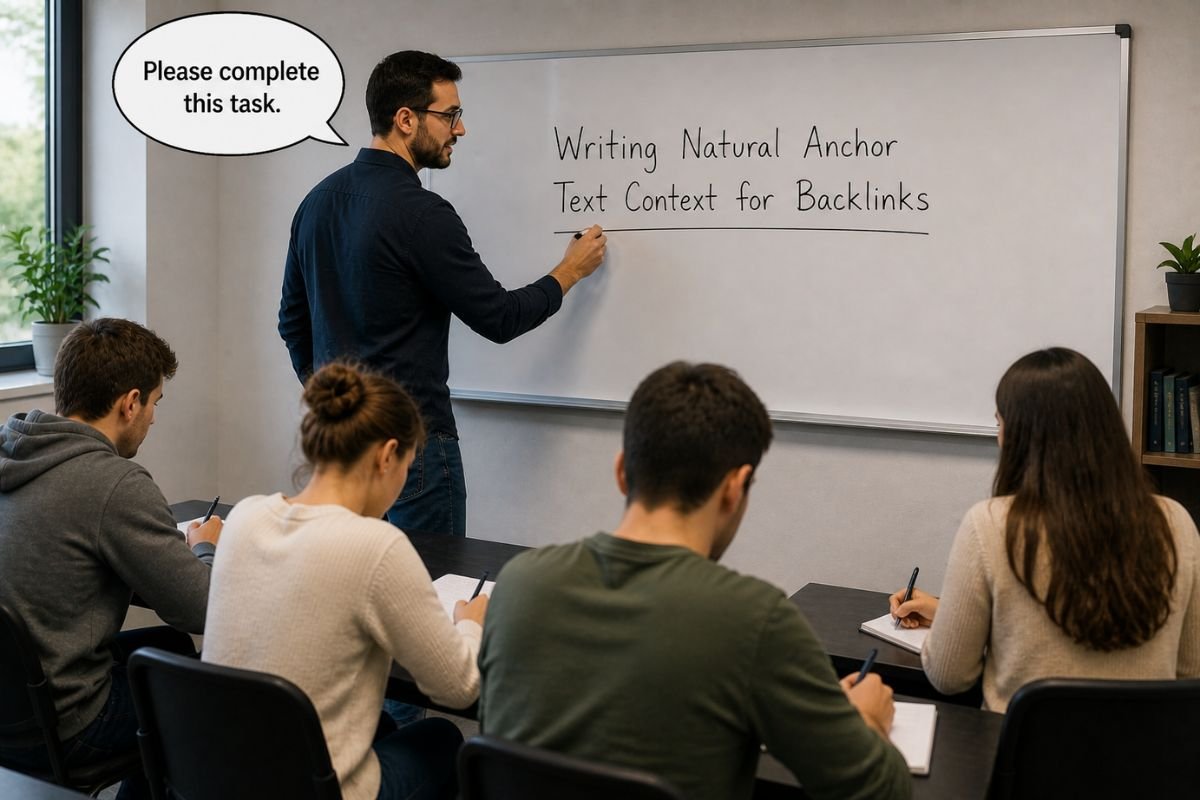
Writing natural anchor text context for backlinks is a process in which a link is placed in a sentence in such a way that the sentence already has meaning. The sentence should flow naturally from the ideas presented, and the link should not interrupt this flow. The sentence introduces a concept, and the link extends this concept.

A natural backlink does not interrupt the sentence and continues the idea presented in the sentence.

Sentence Flow and the Placement of a Link

The first sign of natural anchor text context is sentence flow. The sentence should flow naturally, and the link should be placed in such a way that it does not interrupt this flow. The sentence should introduce the idea, and the link should extend this idea.

Sentence flow is based on continuity. The sentence begins with an idea, and that idea is extended in the anchor phrase, and then the link extends the idea further. This creates a natural flow, and this is what is expected from natural anchor text context, rather than weak anchor context.

Natural anchor text context begins with the sentence, not with the anchor phrase.

Maintaining Semantic Continuity

Semantic continuity is the relationship that exists between the surrounding text and the concept that the link represents. When the sentence discusses a particular subject, the link can refer to something related to that subject.

The surrounding text establishes the subject before the link is introduced. By the time the reader reaches the link, they already understand what the link is referring to.

Semantic continuity makes the link an integral part of the explanation that is being presented. The text introduces the idea and the link provides additional information about that idea.

Because the surrounding words discuss the same subject, the link appears as a natural continuation of the explanation.

The important point is that a clear relationship exists between the surrounding text and the subject represented by the link.

Related Posts

Surrounding Text Strengthens Anchor Relevance

How Surrounding Text Strengthens Anchor Relevance

April 14, 2026
Search Engines Interpret Anchor Text

How Search Engines Interpret Anchor Text Context

March 25, 2026

How Paragraph Structure Influences Link Relevance

March 9, 2026

Avoiding Forced Anchor Placements

A forced link usually occurs when the link is inserted before the sentence structure has introduced the subject that the link refers to.

This type of link tends to stand out because the sentence appears to have been written to accommodate the link rather than to introduce the subject itself.

In natural writing, the subject appears first and the link follows as a reference that explains or expands the subject.

If the surrounding text clearly describes the subject, the anchor phrase becomes more of a reference than the main focus of the sentence. The reader interprets the link as part of the explanation rather than as a distraction.

The key to avoiding forced anchors is writing around the idea rather than writing around the link.

Context Before the Anchor

One of the most effective ways to ensure that the anchor text context feels natural is to establish the context before introducing the link. The sentence should already be discussing the subject of the link before the anchor phrase appears, supported by surrounding text.

When context is established first, the link simply continues the explanation that has already begun. The reader understands why the link is included because the subject has already been introduced.

This allows the link to function as a reference within a sentence that already makes sense. The sentence leads naturally into the anchor link instead of stopping abruptly to insert it.

Keeping the Anchor Phrase Integrated

The anchor phrase is most effective when it is integrated into the sentence rather than separated from it. The link should function like any other word within the sentence structure.

If it fits grammatically within the sentence, it becomes part of the sentence rather than something that has been forced into it.

This keeps the focus on the sentence rather than on the link itself. The anchor phrase becomes part of the flow of the sentence instead of interrupting it.

The goal is not to draw attention to the link but to allow it to operate naturally within the language.

The Role of Paragraph Context

Sentence flow is important, but the paragraph context in which the link appears also plays a role in creating natural anchor text context. A paragraph usually develops a single idea or concept.

If the link appears within a paragraph where the discussion consistently focuses on the same concept, the anchor text will appear more natural. The paragraph provides additional context for the reference.

The paragraph structure helps maintain continuity for the idea represented by the link.

Natural backlinks are often found in paragraphs where the concept represented by the link has already been introduced earlier in the discussion.

Natural Links as Part of Written Language

The original purpose of links was to create references within written content. Natural anchor text context follows this principle. The link functions as part of the language rather than as a separate element.

Sentence flow introduces the idea. Semantic continuity creates the relationship between the idea and the link. Paragraph context reinforces the idea represented by the link.

When these elements work together, the backlink becomes a reference within natural language rather than a technical insertion.


Tags: backlink strategyContent ContextSEO content strategy
ShareShareShareShareSend

Related Posts

Linkable asset that earns natural links by combining a strong idea, unique value, and audience relevance into content people naturally cite, share, and reference.
Asset-Based Link Building

How to Create a Linkable Asset That Earns Natural Links

by Backlink Sense
March 21, 2026
Powerful linkable assets built from original data and research as journalists and content creators analyze reports, share insights, and reference valuable information
Asset-Based Link Building

Why Data Studies Are Powerful Linkable Assets

by Backlink Sense
March 21, 2026
Media Mentions That Turn into Backlinks
Digital PR and Authority Mentions

How to Get Media Mentions That Turn into Backlinks

by Backlink Sense
March 21, 2026
Resource and Reference Links

How to Get Backlinks From Resource Pages

by Backlink Sense
June 17, 2026
Anchor Text Distribution

How to Fix an Unnatural Anchor Text Distribution

by Backlink Sense
March 5, 2026
Load More
  • About Us
  • Terms of Use
  • Use of Cookies
  • Affiliate Disclosure
  • Contact
  • Privacy Policy
2026 BacklinkSense © All rights reserved.

Welcome Back!

Login to your account below

Forgotten Password?

Retrieve your password

Please enter your username or email address to reset your password.

Log In

Accessibility Toolbar

  • Powered with favoriteLove by Codenroll
No Result
View All Result
  • Anchor Text
    • Anchor Text Context
    • Anchor Text Distribution
    • Anchor Text Strategy
    • Types of Anchor Text
  • Backlink Quality and Analysis
    • Authority and Trust Signals
    • Backlink Analysis Tools
    • Link Context
    • Link Placement
    • Link Quality Signals
    • Link Relevance
  • Link Building Basics
    • How Google Ranks Links
    • Types of Backlinks
    • What Are Backlinks
    • Why Backlinks Matter
  • Link Building Methods
    • Asset-Based Link Building
    • Content-Based Link Building
    • Digital PR and Authority Mentions
    • Passive Link Acquisition
    • Resource and Reference Links
  • Link Building Risks
    • Link Penalties
    • Link Velocity
    • Low-Quality Backlinks
    • Over-Optimized Anchor Text
    • Unnatural Link Patterns
  • Link Outreach
    • Finding Outreach Targets
    • Follow Up in Outreach
    • Outreach Email Strategies

2026 BacklinkSense © All rights reserved.

This website uses cookies to improve your experience and analyze site performance. By continuing to browse, you agree to our Privacy and Cookie Policy.